
Googlebook pre-orders: September 21, 2026 at 9 a.m. ET
Google told waitlist users that Googlebook pre-orders open Monday, September 21, 2026 at 9 a.m. ET. Android-based laptops from Acer, Asus, Dell, HP, and Lenovo, with Magic Pointer and Gemini teased. What home buyers should expect vs Chromebooks.
 Michael Narehood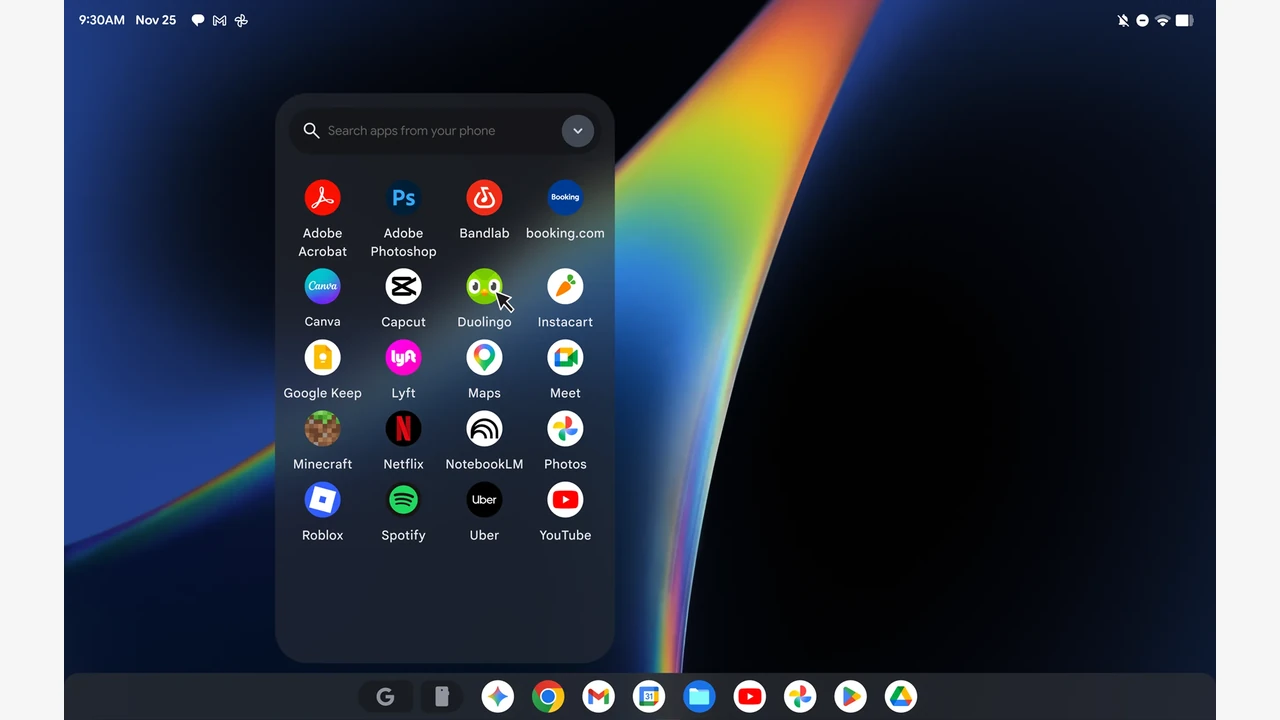
Image: Googlebook product marketing photo (Google).
Google put a clock on the waitlist. According to 9to5Google’s report on the waitlist email, people who signed up for Googlebook updates were told pre-orders open Monday, September 21, 2026 at 9 a.m. Eastern Time.
That is the date that matters for a home buyer. Everything else (final OS name, exact configs, street pricing) may still land when the storefront lights up. Treat September 21 morning as “read the cart carefully,” not “you already know the full SKU sheet.”
What Googlebook is (in plain terms)
Googlebook is Google’s push for Android-based laptops, not another Chromebook line with a new sticker. Chromebooks run ChromeOS and lean hard on the browser plus Android apps in a ChromeOS shell. Googlebook, as covered so far, is pitched as an Android laptop platform with its own hardware brand cues.
9to5Google’s write-up, based on Google’s waitlist teaser, highlights:
- Pre-order day: Monday, September 21, 2026, 9 a.m. ET
- OEM partners named in coverage: Acer, Asus, Dell, HP, and Lenovo
- Magic Pointer teaser: a way to jump into Gemini quickly, with an animation that turns into the light bar expected as a visual brand element on these machines
- “Googlebooks” branding on the left palm rest under the keyboard, while the light bar is expected to be the louder cover identity versus a Chromebook-style lid badge
Google has not fully explained what the light bar does day to day. Do not invent features from a teaser animation. Wait for the September 21 product pages.
How this differs from buying a Chromebook
If your last laptop was a Chromebook, reset a few expectations before you pre-order:
- Different OS story. A Chromebook buyer already knows ChromeOS habits (profiles, Play Store on many models, Linux container options, school-managed fleets). Googlebook is an Android laptop bet. App availability, windowing, desktop chrome, and file habits may feel closer to a large Android tablet-plus-keyboard than to ChromeOS. Confirm the day-of demos and system requirements before you assume your favorite ChromeOS extension workflow survives.
- OEM variety on day one. Acer, Asus, Dell, HP, and Lenovo in the mix usually means several sizes, keyboards, and price tiers rather than a single Google-store SKU. Compare hinge, display, and ports the way you would any Windows laptop. Do not buy on the Magic Pointer headline alone.
- Name and pricing may still move. 9to5Google notes that by pre-order day Google will presumably detail the full operating system, including what the actual OS name is. Pricing and ship windows were not locked in the waitlist teaser. If the cart shows a different marketing name than “Googlebook,” that is not a scam by itself. Match the model number and OEM page.
- Not a Chromebook replacement checklist yet. If your house depends on a specific Chromebook-only school profile, managed user, or kiosk mode, do not assume Googlebook is a drop-in. Those environments have their own rules. This article is for people buying their own machine for home use.
What a home buyer should do before September 21
- Decide your job for the laptop. Web, schoolwork, media, light creative work, or “I need full desktop Windows software.” Googlebook will not magically run every Windows installer. If you need niche Windows-only apps, keep a Windows machine in the plan.
- List must-have Android apps you already trust on a phone or tablet. Check whether they behave as real windows on a large screen once Google publishes day-one guidance.
- Budget a range, not a fantasy price. OEM laptop launches often span student thin-and-lights and thicker creator configs. Wait for the storefront instead of anchoring on rumor sheets.
- Watch ship timing. 9to5Google says the gap between pre-order and shipment is still unclear, with a holiday-season launch looking likely. A pre-order is not a laptop on your desk the same afternoon.
- If you are on the waitlist email list, read the actual Google mail when September 21 arrives. Prefer Google’s link over a forwarded screenshot in a group chat.
Sensible pre-order habits
- Pre-order from the OEM or Google storefront named in the official mail, not a random “allocation” reseller.
- Screenshot the config you paid for (CPU/RAM/storage, display size, warranty add-ons).
- Note the cancellation and deposit rules before you click. Early hardware pre-orders sometimes hold money longer than a normal Amazon order.
- Keep your current laptop healthy until the Googlebook ships and survives a week of your real routine.
What we still do not know
- Final consumer OS name and version branding
- Exact U.S. starting prices and which configs hit the first cart
- How Magic Pointer and the light bar behave outside a marketing clip
- Precise ship-by windows per OEM
Those gaps are normal a week before a pre-order open. They are also why you should not write a blank check based only on Gemini excitement.
Bottom line
Google’s waitlist message, as reported by 9to5Google, points home buyers at Googlebook pre-orders on Monday, September 21, 2026 at 9 a.m. ET, with Android-based laptops expected from Acer, Asus, Dell, HP, and Lenovo and a Magic Pointer / Gemini teaser in the mix. Expect a different product story than Chromebooks, wait for OS naming and pricing on pre-order day, and only put money down when the real cart matches the laptop you actually need at home.


