Spot a delivery text scam
How fake package-delivery texts work, why USPS will not start tracking by surprise, and how to check a real shipment without tapping the link.

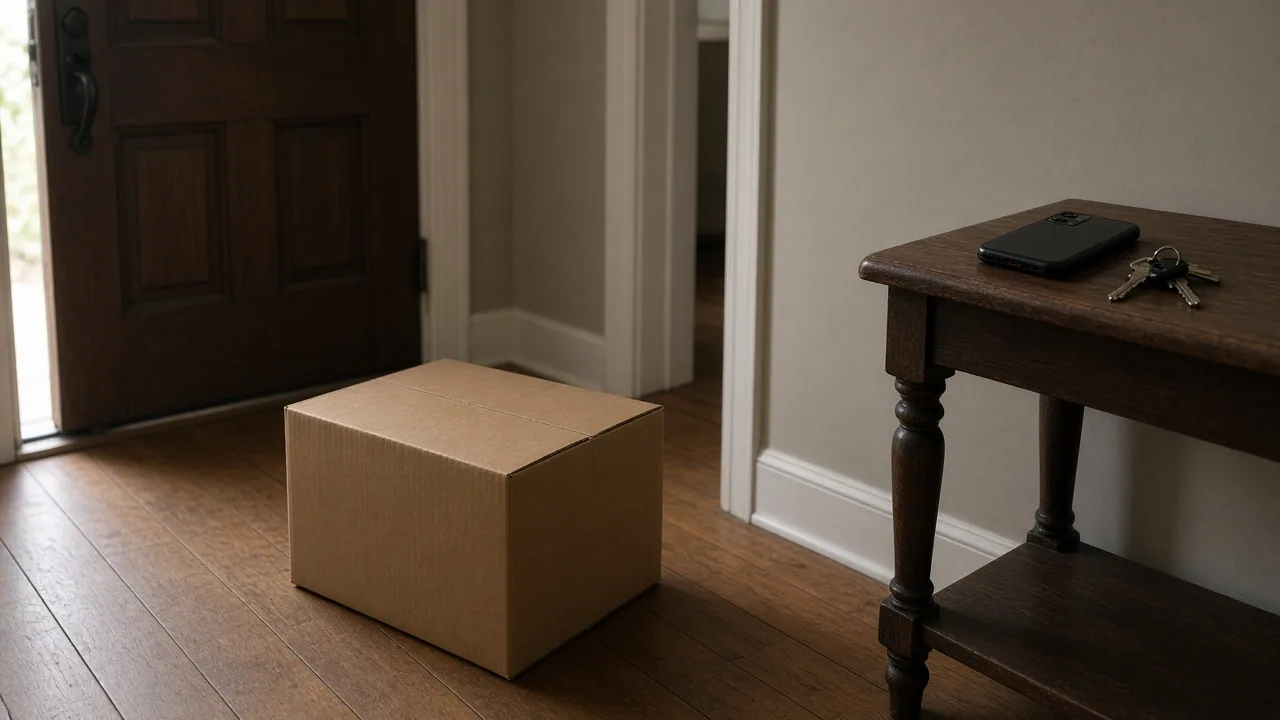
The text looks urgent and ordinary at the same time: a package cannot be delivered, a small postage fee is due, or your address needs a quick update. There is a link. The sender appears to be the Postal Service, a parcel carrier, or the retailer you are already waiting on. If you tap the link and type a card number, the “fee” was the bait. The Federal Trade Commission has reported that fake package-delivery problems were the most reported text scam in a recent consumer data spotlight, often using the U.S. Postal Service as the costume.
This kind of text scam is called smishing: phishing that arrives as a text message. CISA defines smishing as social engineering that exploits SMS. The United States Postal Inspection Service publishes a specific warning about package tracking text scams. That is the official page to follow if the message pretends to be from USPS.
What official USPS tracking texts actually do
The Postal Inspection Service is unusually clear:
- USPS offers free tracking tools, but you have to request them, either by registering online or by starting a text and providing a tracking number.
- USPS does not charge for those tracking services.
- USPS will not send you a text or email with a link unless you first requested tracking for a specific package.
- If you did not start that request, and the message contains a link, do not tap it.
That last rule does most of the work. An unexpected “your package is held, click here” text is not how official USPS tracking starts.
Other carriers and retailers also send legitimate tracking messages, sometimes with links, when you have an order in progress. The safe habit is still the same: do not use the link in an unexpected text as your only check. Open the retailer’s official app or website, or the carrier’s official site, and look up the shipment there.
How to check a real package without the link
- Leave the text alone. Do not tap the link, and do not call a number in the message.
- Open the store or carrier the way you already do: the official app, a bookmark, or an address you type yourself (for Postal Service packages, that is USPS.com).
- Look up the order or tracking number you already have from a receipt or an earlier email.
- If you have no order waiting, you can delete the text. Nothing is sitting at a post office waiting on a “redelivery fee” from that message.
If a message asks for a credit card, a Social Security number, or a payment to release a package you did not expect, stop. The Postal Inspection Service notes that USPS does not charge for the official text tracking service, and that a surprise link is a warning sign.
If you already tapped the link
Do not enter more information. If you typed a password or card number, tell your bank or card issuer using the number on the back of the card, and change the password on any account you may have exposed, as you would after other phishing. If you only opened the page and did not submit a form, still mention it to your bank if the page asked for a card, and watch the account.
The Postal Inspection Service says that if you interacted with the URL, even if you did not click submit, you should notify your financial institution.
How to report it
For a text that pretends to be from USPS, the Postal Inspection Service asks you to:
- Forward the text to 7726 (which spells SPAM on a phone keypad)
- Email spam@uspis.gov with a copy of the message, a screenshot that shows the sending number and the date, and a short note about whether you tapped the link or lost money. Do not tap the link in order to write a better report.
For other smishing, forward the text to 7726 as well, and report it at ReportFraud.ftc.gov. You can also report it in Apple’s Messages or Google Messages if the app offers a report control, and you can file with the FBI’s Internet Crime Complaint Center.
Do not argue with the number. Report it and delete it.
Bottom line
An unexpected delivery text with a link is not how official USPS tracking starts, and it is a common way to steal card numbers and passwords. Leave the link alone, look up the shipment on the official site or app, and report the text to 7726 and, for USPS-themed messages, to spam@uspis.gov. If you already entered a card number, call the issuer the same day.