Spot IRS impostor scams
Tax season brings fake IRS calls, texts, and emails. Learn how the real IRS contacts you, the red flags of an impostor, and exactly where to report one.


With the filing deadline coming up, scammers know people are already thinking about taxes, refunds, and the IRS. That makes early April prime time for fake IRS calls, texts, and emails. The good news is that the real IRS behaves in very predictable ways, and once you know them, impostors are much easier to spot.
How the real IRS contacts you
The IRS explains in its guide on how to know it is really the IRS calling or knocking that it starts most contact through regular mail sent by the U.S. Postal Service. There are special cases where an IRS employee may call or visit, such as an overdue tax bill or an audit, but even then you will generally have received several letters first.
The IRS’s page for reporting fake IRS messages adds two rules worth memorizing:
- “We never email without your permission.”
- “We don’t send text messages without your permission.”
So an unexpected email or text claiming to be from the IRS should make you suspicious right away.
What the IRS will not do
According to the IRS, it does not:
- Call to demand immediate payment with a specific method like a gift card, prepaid debit card, or wire transfer
- Demand payment without letting you question or appeal the amount
- Threaten to bring in police, immigration officers, or other law enforcement to arrest you
- Revoke your driver’s license, business licenses, or immigration status
The IRS also says it never calls to tell you about a refund. If someone calls with exciting refund news and needs your bank details to send it, hang up.
When you genuinely owe taxes, the IRS says payments go to the “United States Treasury,” and its official options are listed at IRS.gov/payments.
Red flags in the message itself
The IRS’s tax scam warning signs boil down to three patterns:
- A big payday. If it sounds too good to be true, it probably is. This includes social media posts promising secret credits.
- Demands or threats. Impostors want you to pay “now or else” and threaten arrest or deportation.
- Odd links. Misspelled or strange web addresses can lead to harmful sites instead of IRS.gov.
Other scams on the IRS list include fake charities, “unclaimed refund” mailers, tax debt relief offers promising to settle for pennies on the dollar, and impostors who target people over 65.
If someone shows up at your door
The IRS says a real representative who visits will always carry two forms of official credentials: a pocket commission and an HSPD-12 card. You have the right to see both. If you want to verify the HSPD-12 card, the representative will give you a dedicated IRS phone number to confirm their identity.
How to report each kind of fake
The IRS’s reporting page has specific steps by type:
Fake email
- Do not reply, click links, or open attachments.
- Send it to phishing@irs.gov with the subject line “IRS.” The IRS prefers that you forward it as an attachment if your email app can, since a plain forward strips useful details.
- Then delete it.
Fake text
- Do not reply or tap links.
- Email phishing@irs.gov with the subject “Text,” including the sender’s number, the message, your number, and the date, time, and time zone you got it.
- You can also forward the text to 7726 (SPAM) so your wireless carrier can block similar messages.
Suspicious phone call
- Write down the number and hang up.
- Report it to the Treasury Inspector General for Tax Administration (TIGTA) hotline, or call 800-366-4484.
Suspicious letter
- Verify it by searching the notice number in the IRS’s list of notices and letters on IRS.gov, or by signing in to your IRS online account.
You can also report scams to the Federal Trade Commission.
Protect yourself before scammers try
- Use only IRS.gov by typing it into your browser, not by clicking a link in a message.
- Talk to older relatives. A short conversation about “the IRS does not text you” can save someone a lot of money.
- Guard your tax documents. If you work with a preparer, ask how they want documents shared securely, and only send them through that channel.
- Pause on pressure. Every one of these scams depends on urgency. The real IRS gives you time and a paper trail.
Bottom line
The real IRS starts with mail, does not email or text without your permission, never demands gift cards or wire transfers, and never threatens arrest. If a message breaks those rules, it is a scam. Forward fake emails and texts to phishing@irs.gov, send scam texts to 7726, report calls to TIGTA, and get back to filing in peace.
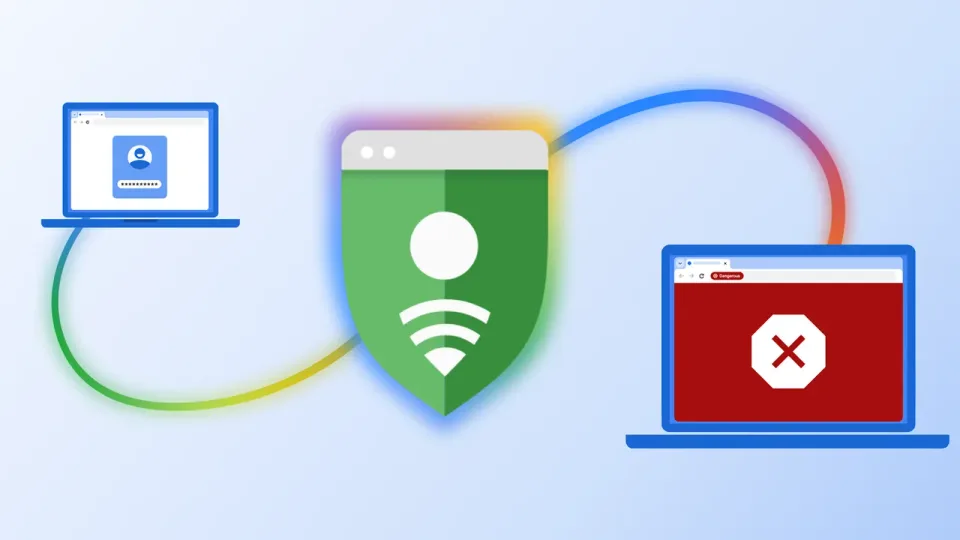
Image: Qutzl Insights abstract illustration of a shield; not an IRS image.