Meta AI glasses aid low vision
On October 29, 2026 Meta partnered with CNIB so Canadians who are blind, Deafblind, or have low vision can help shape AI glasses, with donations through Come to Work.

If you have been waiting for AI wearables to do something that clearly helps someone at home, this is one of those stories. On October 29, 2026, Meta announced a partnership with CNIB, the Canadian nonprofit that supports people impacted by blindness. The goal is simple to say and hard to do well: put the lived experience of people who are blind, Deafblind, or have low vision into how AI glasses get built and taught.
This is not a lab demo write-up. It is about getting tools and training into communities, then listening hard enough to improve the products.
What Meta and CNIB said
From Meta’s newsroom post:
- Meta is funding CNIB to run community listening, peer-led demonstrations and training, and to send feedback to Meta’s accessibility and product teams.
- Meta is also donating AI glasses through CNIB’s Come to Work program so participants can try the tech while exploring employment.
- CNIB will publish accessible guides and training materials people can use wherever they are.
Meta’s own summary of what the glasses can help with for people who are blind or have low vision includes reading text, identifying objects, and describing surroundings. Those are everyday tasks: a spice jar, a street sign, a room you just walked into.
CNIB President and CEO Angela Bonfanti put the partnership in plain language: the best technology is shaped with the people who will use it. Meta’s Maxine Williams, VP of Accessibility, said working directly with CNIB and its community helps Meta build better products for everyone.
Why this matters at home
Smart glasses marketing often sounds like a gadget pitch. For someone with low vision, the useful bar is lower and clearer: Can I check a label without hunting for a magnifier? Can I get a quick description of what is in front of me without waiting for help?
Training still matters. Features fail in bad light, tiny text, or weak connectivity. Meta’s post does not claim the glasses replace a cane, a guide dog, or human support. Treat them as one more option in a toolkit.
The Come to Work angle is practical too. Trying the glasses while looking for work or settling into a job is different from a five-minute store demo. You find out whether the device helps with the tasks you actually do.
How this fits a wider push
Meta’s same post says the CNIB work builds on other community programs, including donations of Ray-Ban Meta glasses to blind veterans in the United States with the Blinded Veterans Association, and work with Vision Ireland. Separate October coverage also described Meta donating glasses into Singapore’s disability community. The Canadian announcement is the one dated October 29, 2026 and centered on listening plus employment-focused donations.
If you are outside Canada, the takeaway is still useful: accessibility progress often looks like partnerships, training, and honest feedback loops, not just a keynote slide.
Do this / don’t do that
Do
- Read Meta’s CNIB partnership post for the official scope.
- If you or someone you love is exploring AI glasses for low vision, ask about training, privacy, and what happens offline.
- Keep the tools you already trust (screen readers, magnification, human backup) while you evaluate anything new.
Don’t
- Do not treat a partnership announcement as a guarantee that every task will work in every home.
- Do not drop proven mobility aids because a wearable can describe a room.
- Do not invent performance numbers Meta did not publish.
Bottom line
On October 29, 2026, Meta and CNIB said they will bring community listening, peer training, and donated AI glasses into Canadian low-vision and blindness programs, including Come to Work. For home readers: this is accessibility work aimed at independence and better products, not a security patch story. Watch for training near you, and judge the glasses by the chores they actually help with.
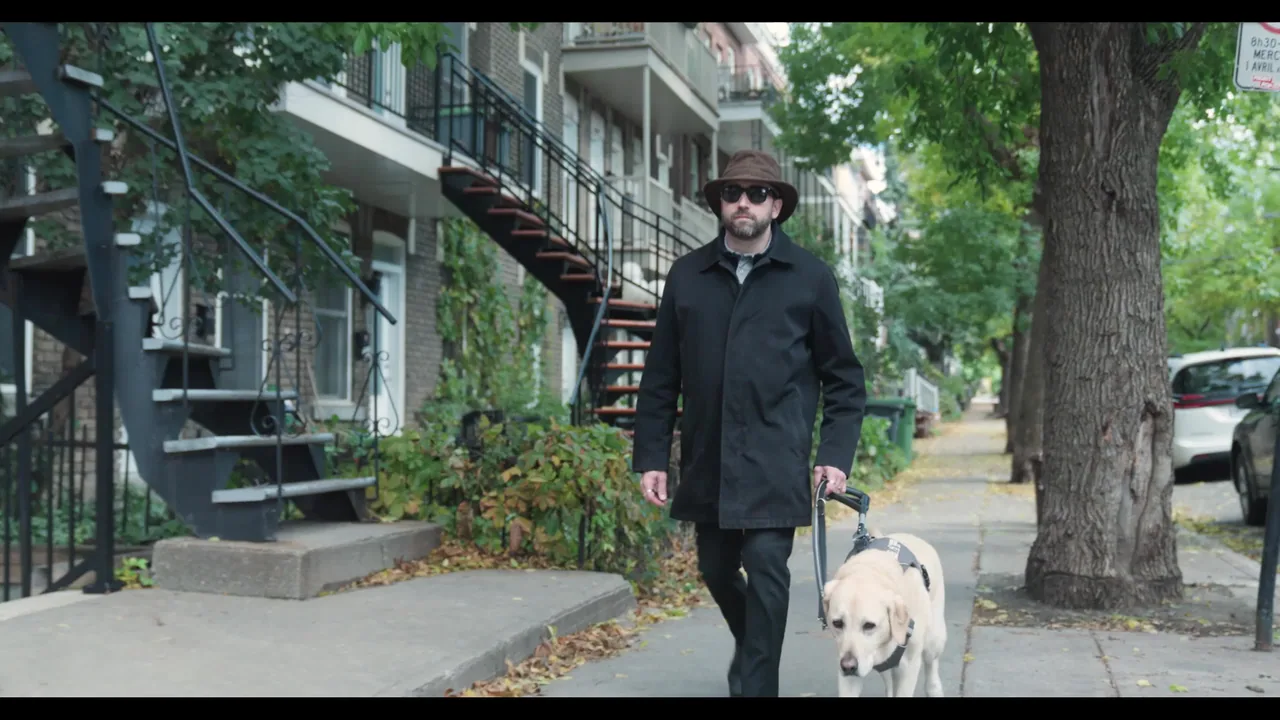
Image: Still from Meta and CNIB partnership video on Meta Newsroom.