Brain implant restores speech, gestures
On September 14, 2026 NIH highlighted a UCSF brain-computer interface that lets people with paralysis drive speech and gestures together on a digital avatar.
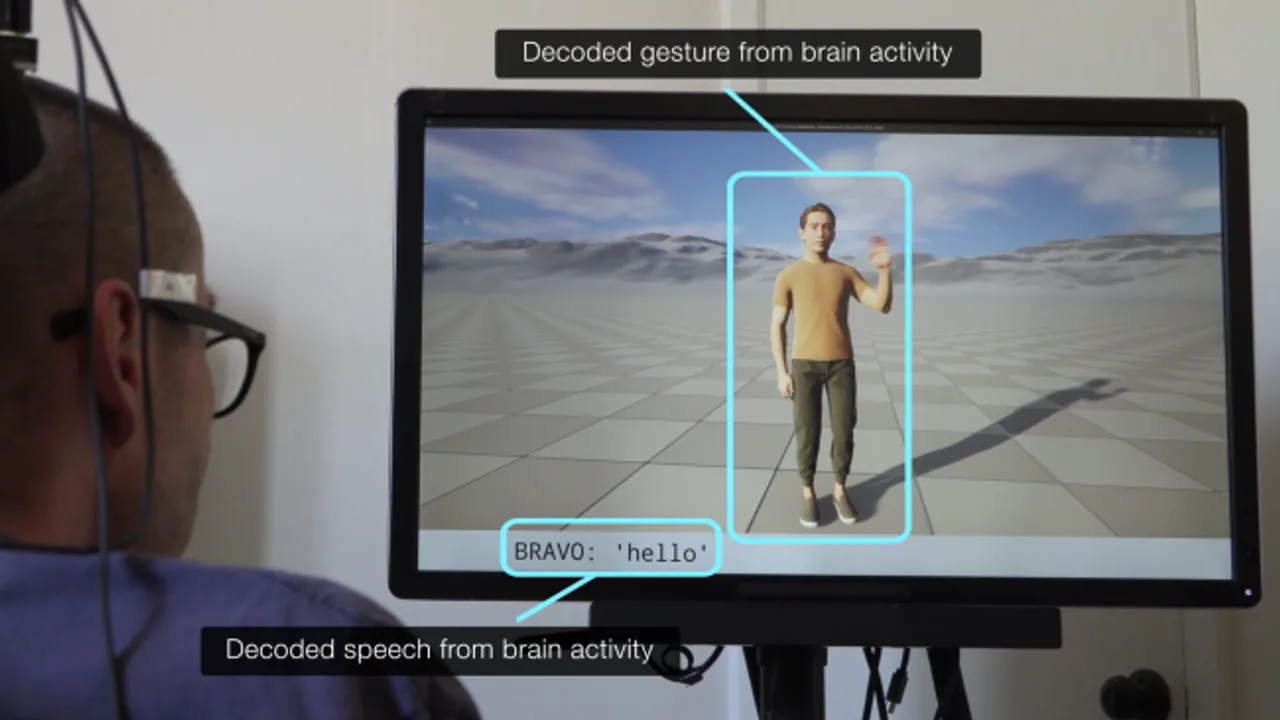
Medical tech stories rarely feel this personal. On September 14, 2026, NIH described UCSF research on a brain-computer interface that lets people with severe paralysis convey speech and upper-body gestures at the same time through a digital avatar.
The peer-reviewed paper is in Nature Neuroscience the same day (Brosler et al., DOI 10.1038/s41593-026-02446-2). The home takeaway is simpler than the methods section: electrodes, machine learning, and training turned intended speech and gestures into visible, audible expression together.
What the study showed
From the NIH news release and Chang Lab work at UCSF:
- Researchers used electrocorticography (ECoG) arrays on the motor cortex in people with vocal-tract and bodily paralysis.
- Machine-learning decoders translated brain activity while participants tried phrases, gestures such as a wave or thumbs-up, or both at once.
- The system drove a full-body virtual avatar so speech and gesture could appear together, closer to natural conversation than text-to-speech alone.
- NIH says this is the first BCI shown to restore both modes simultaneously. Work included three patients, with successful avatar control reported for two participants.
- Training on simultaneous attempts mattered. Mixed speech-plus-gesture brain patterns were not just the sum of isolated speech and gesture signals.
UCSF’s Edward Chang called conversation a multilayered process across the motor cortex and said the proof-of-concept shows a BCI can restore some of that freedom. NIDCD Director Debara Tucci said the results give hope that people with severe paralysis can recapture more of the holistic nature of human communication.
Why families care
For people living with ALS, brainstem stroke, or other conditions that lock speech and gesture inside a working mind, communication tech is dignity. Eye-tracking text-to-speech helps, but it is slow and exhausting. Restoring tone, words, and a thumbs-up in one stream is a different kind of win.
The avatar piece matters emotionally. Facial and body cues carry humor, frustration, and affection. Getting those channels back, even in a research setting, sets a direction for future clinics.
Honest limits
- The study system was wired to external processors. Chang’s team says a fully implantable wireless version is next to test.
- Results in a small clinical group do not mean every person with paralysis will get the same outcome tomorrow.
- Surgery, infection risk, caregiver load, and long-term durability remain real constraints outside the highlight reel.
Celebrate the breakthrough without turning it into a false promise for tomorrow morning.
Do this / don’t do that
Do
- Read the NIH news release for the official scope and caveats.
- Share the story with caregivers who follow BCI and AAC research.
- Keep expectations grounded in peer-reviewed claims, not viral clips alone.
Don’t
- Do not treat this as an available home treatment in 2026.
- Do not invent accuracy percentages NIH did not state.
- Do not skip the clinical-trial framing when you retell the story.
Bottom line
On September 14, 2026, NIH and UCSF described a BCI that restored simultaneous speech and gestures for people with paralysis via a digital avatar. For home readers: it is a genuine medical assistive breakthrough, still in research, and one of the best feel-good science stories of the season.
Image: Official NIH news imagery for the neuroprosthesis announcement (Chang Lab, UCSF).