Offline voice on your phone
On November 10, 2026 Google added on-device speech recognition and text-to-speech to AI Edge Gallery so phones can chat and tutor by voice without a network.


Talking to an AI on your phone usually means your audio leaves the device. On November 10, 2026, Google’s AI Edge and Android ML teams announced on-device speech recognition and text-to-speech inside Google AI Edge Gallery, so small language models can listen and speak entirely offline.
That is happy privacy news for travelers, subway riders, and anyone who would rather keep a voice chat on the handset they already own.
What Google shipped
From the Google Developers Blog post:
- Automatic Speech Recognition (ASR) and Text-to-Speech (TTS) now run in AI Edge Gallery alongside on-device small language models such as Gemini Nano and Gemma 4.
- The pitch is live transcription as you speak, plus spoken replies, with a small memory footprint, low latency, and no network required for those voice pieces.
- On Android, Google points to updated ML Kit speech models: multilingual transcription across 100+ languages at about 10x real-time speed, plus a diffusion TTS model that starts speaking in about 100 ms, synthesizes 24 kHz audio at up to 50x real-time, and adds 0 MB to your APK because the models live in the OS path.
- For web, desktop, and other platforms, Google highlights open-weight LiteRT speech bundles such as Parakeet-TDT 0.6B, PocketTTS 100M, Kokoro-82M, and Phonon 31M, exposed through MediaPipe Tasks.
- Gallery demos include an XR Language Teacher that can look at a menu or object through the camera, answer aloud in your language, and pronounce the local phrase, all locally. AI Chat in Gallery also gains voice input and read-aloud playback with sentence highlighting.
- Google says you can try the voice features today by updating AI Edge Gallery on Android and iOS, and that the reference code is on GitHub for people who build apps.
Those performance numbers are Google’s own measurements from the post. Your phone’s chip, thermal state, and language pack will change what you feel.
Why home users should care
Offline voice is useful when roaming data is expensive, Wi-Fi is awful, or you simply do not want a chat audio clip uploaded for a quick “what is this label” question. Pairing camera, speech, and a small on-device model is the same pattern we keep seeing in assistive demos, including language learning and hands-free glasses work Google mentions from Android Dev Summit.
This is also a cousin to browser work landing the same week. Firefox 160 added on-device Web Speech recognition for sites that call the API. Gallery is the “download the app and try the demos” path for Gemini Nano and Gemma 4 style chat.
You still need storage for models and language packs. Offline does not mean free of battery cost. And “on device” only covers what Gallery and ML Kit keep local; other Google apps can still use cloud speech unless you change those settings separately.
How to try it on your own phone
- Install or update Google AI Edge Gallery from the official Android or iOS store listing Google points to in the blog post.
- Open AI Chat or the XR Language Teacher showcase and look for microphone / speaker controls and model settings.
- In Model Management, pick an ASR and TTS path, download any language packs you need, and confirm the phone is in airplane mode for a quick offline smoke test.
- Try a short dictation, then a read-aloud reply. For Language Teacher, point the camera at a household object and ask what it is called.
- If something fails, check free storage, reopen the app after a reboot, and confirm you are on the build that includes the November 10 voice features.
Developers can dig into ML Kit GenAI Speech, MediaPipe Tasks, and Hugging Face LiteRT bundles from the same post. Everyday readers can stop at the Gallery demos.
Do this / don’t do that
Do
- Update AI Edge Gallery from Google’s linked stores, then prove a short chat still works with the radio off.
- Keep expectations tied to the demos Google named: voice chat and the language-teacher camera loop.
- Read the official announcement when you want the exact model names and APIs.
Don’t
- Do not assume every Google app suddenly went offline-only for voice.
- Do not download “Edge Gallery” APKs from random mirror sites.
- Do not invent battery-life or accuracy claims beyond what Google published.
Bottom line
On November 10, 2026, Google added on-device ASR and TTS to AI Edge Gallery so phones can run voice chat and a camera language tutor without a network. On your own device: update the Gallery app, try AI Chat or Language Teacher, flip on airplane mode once, and keep only the language packs you actually use.
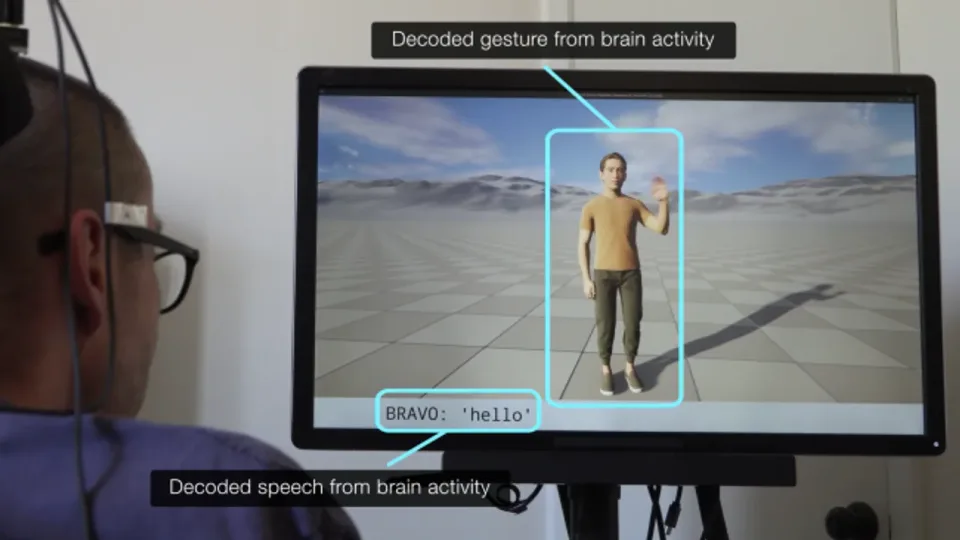
Image: Official illustration from Google’s AI Edge Gallery announcement on the Google Developers Blog.