Waymo UK accessibility network
On November 10, 2026 Waymo launched an Accessibility Network UK with RNIB, Guide Dogs UK, and other partners so disabled riders help shape autonomous travel in London.

Getting around a busy city is hard enough when the curb is crowded and the car looks like every other car. On November 10, 2026, Waymo launched the Waymo Accessibility Network UK, a standing partnership with British disability and older-adult organizations so the people who face those barriers help design the rider experience before more passengers arrive in London.
This is feel-good tech with a practical bent: listen first, then ship features that make finding a vehicle, boarding with a guide dog, or following the ride without vision less of a fight.
What Waymo announced
From Waymo’s post:
- The network is a two-way forum with UK disability advocates and charities, not a one-off press day.
- Feedback from members feeds user research and product testing for the passenger experience.
- Inaugural partners named by Waymo include RNIB, Re-Engage, Age UK, Transport for All, Thomas Pocklington Trust, Guide Dogs UK, Sense, Motability Foundation, the National Centre for Accessible Transport, and Scope.
Waymo Product Management Director Chris Ludwick said the network is meant to keep London rollout inclusive and aligned with local needs. RNIB’s Robin Spinks welcomed the work and said RNIB looks forward to contributing with the blind and partially sighted community.
Features already shaped by accessibility feedback
Waymo lists tools already in the product that came from disability community input. Home readers should care about the plain jobs they do:
- Find the car: trigger a unique melody or horn from the app, get step-by-step “find my car” directions, and get a long-walk warning if pickup is more than 3 minutes away on foot.
- See it without hearing it: a lidar-dome LED can show your initials in a color you choose, useful for Deaf and hard-of-hearing riders spotting the right vehicle.
- Hear the ride: optional audio and screen descriptions for what the vehicle is doing, plus seat belt and “don’t forget your keys” style prompts.
- Set preferences before you sit down: reduce walking time even if the ride is longer, tune audio descriptions and chimes, and adjust front seats for a guide dog or mobility device.
- Ask for help without voice: 24/7 in-vehicle audio calls or in-app chat with Rider Support.
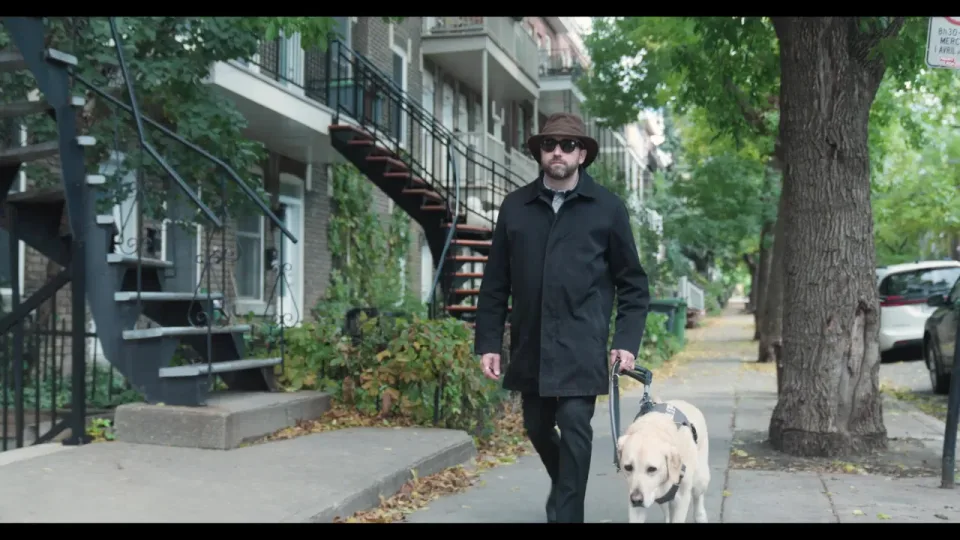
- Guide dogs welcome: Waymo says guide dogs can ride without prior notice, and seat memory can keep preferred footwell space.
The Waymo app is also described as screen reader compatible, and the interface can follow the language set on the rider’s phone.
Why this matters if you are not in London
Most readers will not hail a Waymo in the UK this week. The story still matters. Autonomous ride services only become useful for disabled and older passengers if advocates sit at the table early, not after the pickup choreography is locked. Waymo is framing London the same way: design with the people who already struggle with private hire refusals, crowded curbs, and hard-to-spot vehicles.
If you follow accessibility tech at home, watch for the same pattern elsewhere: vehicle-finding cues, honest walking-time warnings, screen reader apps, and guide dog space that does not require a special phone call.
Honest limits
- This launches a network and design process, not a promise that every London street is ready for every rider tomorrow.
- Feature availability can vary by market. Treat Waymo’s list as the current product vocabulary, then confirm in the app for your city when service exists.
- Technology does not fix every curb, crossing, or discrimination problem on its own. Waymo says as much: streets, vehicles, and support all matter.
Do this / don’t do that
Do
- Read Waymo’s Accessibility Network UK post for the partner list and feature detail.
- If autonomous rides come to your area, ask how vehicle finding, audio descriptions, and assistance animals are handled before you depend on a first trip.
- Keep the mobility tools you already trust while new services prove themselves.
Don’t
- Do not treat a partnership announcement as a finished citywide accessible transit system.
- Do not invent launch dates or coverage maps Waymo did not publish.
- Do not drop proven door-to-door options because a future robotaxi sounds promising.
Bottom line
On November 10, 2026, Waymo opened an Accessibility Network UK with RNIB, Guide Dogs UK, and eight other inaugural partners so disabled and older Londoners help shape autonomous travel. For everyday readers: this is accessibility co-design on a high-stakes mobility product, with concrete rider tools already aimed at finding the car, following the ride, and bringing a guide dog along.
Image: Official Waymo blog image for the Accessibility Network UK announcement.