
Valve open-sources Lepton, the Steam Frame Android layer
Curious home Linux / Steam Frame readers: Valve published Lepton, the Android compatibility container for Android VR titles on SteamOS. MIT tool, GPL-3.0 rootfs, not a general Android-on-Linux kit.
 Michael Narehood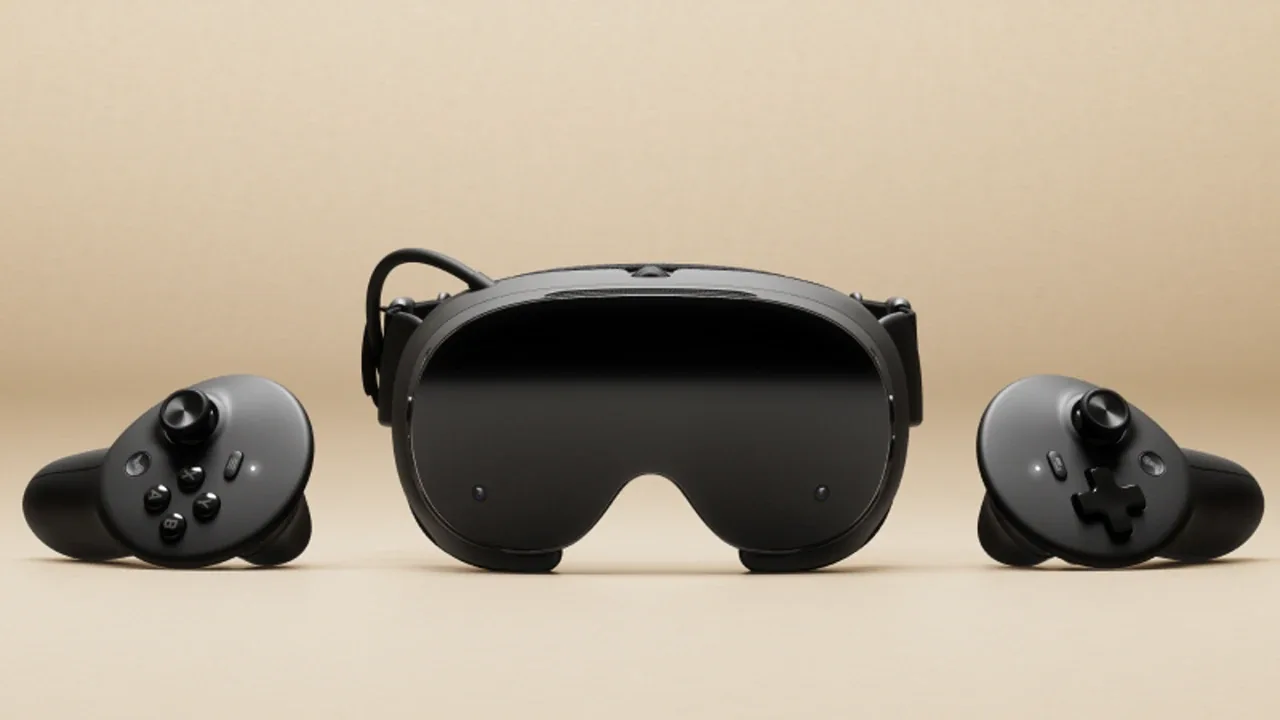
Valve quietly published Lepton, the Android compatibility container that lets Android-only VR titles run on Steam Frame / SteamOS. Most people who simply play games will never open the repo. Steam already ships the bits players need. The interesting part is for curious home Linux users and anyone following how Frame’s software stack is being opened piece by piece.
Primary read: It’s FOSS (September 18, 2026). Secondary: TechSpot’s Lepton write-up. Prefer Valve’s own frame-public/lepton README and LICENSE.md when blogs disagree.
If you are still deciding whether to join the hardware queue, our earlier Steam Frame reservations and pricing note covers the consumer dollars. This article is about the software layer underneath Android VR ports.
What Lepton is (and is not)
Valve describes Lepton as a tool the Steam client uses so games exclusive to Android can run on Linux by launching them inside a container. In practice on Frame, that is the bridge for VR-focused Android titles studios want to bring across without rewriting everything for a different platform.
Most players should ignore the source tree. Valve’s own guidance (relayed by It’s FOSS and others) is that everyday users should use the Lepton that ships with the Steam client. The public repo is for developers who need to inspect, build, and debug against the stack.
It is not a general-purpose “run any Android app on Linux” project. The image is trimmed on purpose. Apps inside a container share a one-user model with weak walls between them. The intended pattern is one game per container, with Android services that are not needed for that title switched off. Expect rough edges if you try to force everyday phone apps through it. That was not the focus of development.
Licenses: two pieces, two rules
From the project’s LICENSE.md (summarized by It’s FOSS):
- The compat tool (what Steam invokes to start a game inside the container) is MIT.
- The Android root filesystem built and run inside the container is GPL-3.0, because it pulls in outside projects with that copyleft obligation.
If you redistribute or ship derivatives, read the repo licenses yourself. Blog summaries are orientation, not a compliance memo.
What the stack leans on
Lepton does not invent Android from scratch. Coverage consistently points at:
- Waydroid-style container plumbing (namespaces, patches, and components reused at build time).
- A LineageOS-derived system image as the Android userspace base Waydroid-style runtimes customize.
- AOSP underneath that lineage.
- Smaller credits such as Boringdroid in the same license file.
On the host side, TechSpot and related reporting describe Lepton mounting host libraries for graphics (including Mesa / Zink paths), Steam / Steamworks libraries, and Vulkan layers aimed at VR performance (foveated rendering injector, render-pass optimizer). Developer tooling hooks (strace, GDB, LLDB, RenderDoc, Perfetto) show up in the same coverage. The flatscreen window stays hidden by default and can be shown when debugging.
That is a Steam Frame / SteamOS-shaped Android environment, not a full phone OS image with every Google service you remember from a handset.
Why home Linux readers should care
- Transparency. Frame is expensive living-room hardware. Seeing Lepton join other open pieces (such as FEX, Valve’s x86-to-ARM translation work mentioned alongside it) is a better signal than a closed blob with a shrug.
- Developer reality check. If you write or port VR titles, the public tree is the place to understand how Android builds are expected to land on Steam.
- Expectation management. Open-sourcing Lepton does not mean your desktop Arch box suddenly becomes a Quest app store. Scope is narrow; polish outside that scope is optional.
Practical takeaways
Do
- Keep using Steam’s built-in path if you only want to play supported titles on Frame.
- Read the GitLab README before cloning “for fun” overnight builds.
- Watch license boundaries if you package anything derived from the rootfs.
Don’t
- Do not treat Lepton as a supported sideload lane for random APKs from the internet.
- Do not confuse “open-sourced” with “Valve will support your hobby fork.”
- Do not skip the reservations article linked above if your real question is still “should I put money down for the headset?”
Bottom line
Valve open-sourced Lepton, the Android compatibility container behind Android VR titles on Steam Frame / SteamOS. Players mostly never touch it; Steam does. Developers get an MIT-licensed compat tool plus a GPL-3.0 Android rootfs built on Waydroid / LineageOS / AOSP lineage, trimmed for a one-user-inside-container model rather than general Android-on-Linux. Start with It’s FOSS, cross-check TechSpot, and read Valve’s lepton repo when you need the authoritative wording.
Image: Valve Steam Frame store marketing art.


