Nationwide FAA ground stop
A Friday FAA nationwide ground stop after a telecommunications fault halted U.S. departures until 8:15 p.m. Eastern. Here is what officials confirmed, and what travelers should do now.

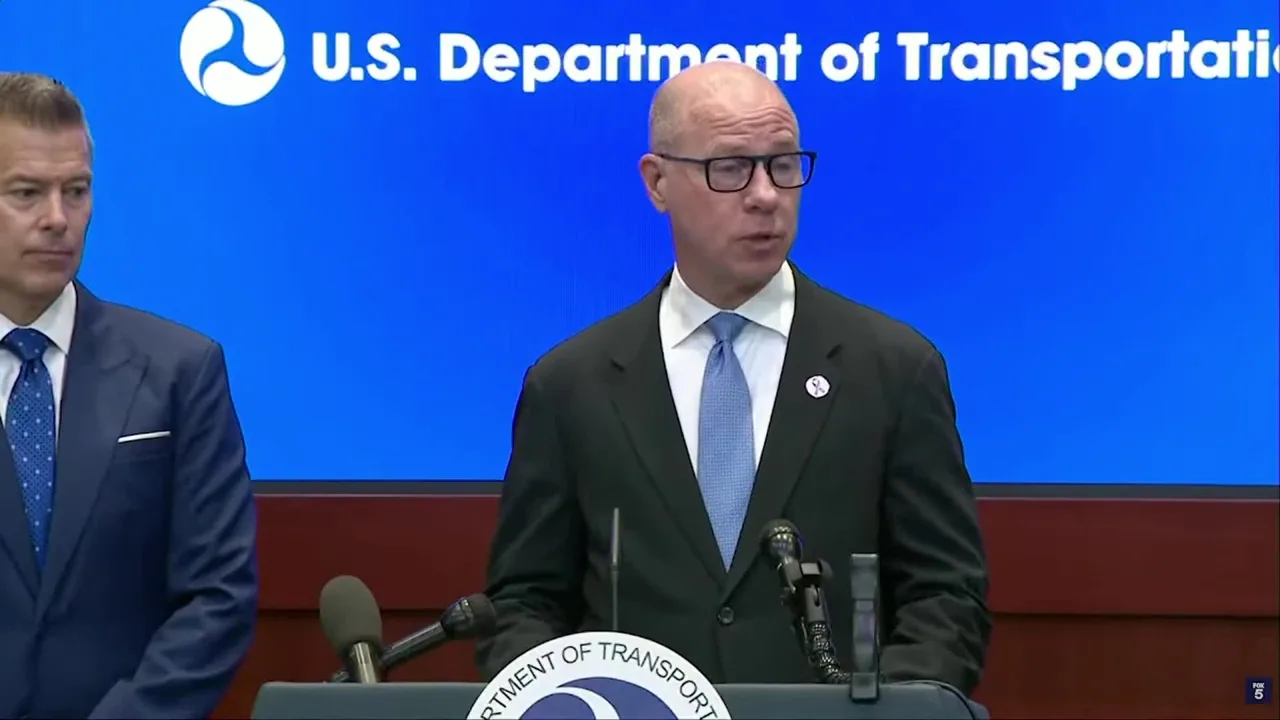
If you were stuck at a gate on Friday, it was not just your airline. On November 13, 2026, the FAA issued a nationwide ground stop for all U.S. airports after telecommunications trouble hit air traffic control. The stop was lifted that night, but cancellations and delays continued into the weekend as airlines moved planes and crews back into place.
This is the travel story behind a network failure, and what you can still do if your trip was canceled or moved.
What officials say happened
From the FAA’s preliminary statement, Transportation Secretary Sean P. Duffy’s official timeline, and a Saturday Department of Transportation briefing:
- Telecommunications issues began at 3:36 p.m. Eastern at FAA facilities and TRACONs around the country.
- The FAA then issued a nationwide ground stop “out of an abundance of caution” while more than 3,500 planes were in the air. Officials said pilots and controllers followed existing procedures and safely landed those aircraft, bringing the number still in the airspace down to under 400 as of 8 p.m. Eastern.
- The FAA said it did not lose all radar or telecom. Exceptions continued for critical medevac, life-saving cargo, and law enforcement flights.
- The nationwide ground stop lifted at 8:15 p.m. Eastern. Secretary Duffy said the FAA reopened the airspace after restoring full functionality at air traffic control centers and TRACONs. The FAA said it tested systems before clearing departures to resume.
- After the stop lifted, the Department said more than 8,000 flight operations resumed that night. On Saturday, officials said the airspace was open and the system was stable, but passengers should still expect delays and cancellations as airlines reschedule flights and reposition aircraft and crews.
Secretary Duffy said the trigger was routine work to replace old copper telecommunications lines with fiber at a remote FAA location, switching from analog TDM to digital IP. The contractor was L3Harris, which Duffy said has long provided and owns the network the FAA uses to control the airspace. A router being replaced, he said, began flooding other routers in the air traffic control system with more than 1,000 connection attempts every four to five seconds, which caused problems with communications to aircraft and some disruption to radar feeds.
The exact fault is not settled. Duffy said officials are still determining whether this was contractor user or install error, or a faulty router. He also said that once the work at the remote location was isolated, systems came back online, and “we don’t believe this was cyber at all.” FAA Administrator Bryan Bedford said the work was ordinary maintenance on the existing telecommunications network, not part of the separate $12.5 billion air traffic control modernization program.
On Sunday, November 15, Duffy said L3Harris had secured the two routers from remote FAA facilities in Texas and Arkansas and was running diagnostics at its headquarters in Florida, with FAA, Juniper, and Cisco engineers assisting. He again said there is “no indication of a foreign cyberattack,” and that the investigation continues with the FBI and other federal law enforcement partners. In a later Sunday post, he said he thought operations would be “back to normal” by the end of Sunday or Monday. Check your airline anyway. Recovery talk is not the same as your specific flight being whole.
What this means if you are traveling
A ground stop is a safety brake. Officials chose to hold departures and land the planes already up rather than keep flying through unstable communications and radar. That protected people in the air. It also stacked up a weekend of missed connections, crew timeouts, and aircraft in the wrong cities.
If your Friday or weekend trip broke, start with the airline, not social media rumors:
- Open the airline’s official app or website and check the current status of your exact itinerary. The FAA points travelers to their airline and to real-time airport status at nasstatus.faa.gov.
- If the flight was canceled and you do not want the rebooking, voucher, or other compensation the airline offers, U.S. Department of Transportation rules say you are entitled to a refund of the ticket price, regardless of the reason for the cancellation.
- If the flight was significantly changed and you choose not to travel, a refund can also be due. DOT defines a significant change to include a domestic itinerary departing 3 hours or more earlier or arriving 3 hours or more later than scheduled (6 hours for international), a change in origin or destination airport, extra connections, or an involuntary downgrade.
- Airlines must tell you about your refund right when they offer a new flight or a voucher. If you reject the offer, or you do not respond and do not take the new flight, the refund is supposed to be automatic, in the original form of payment, within 7 business days for credit cards or 20 calendar days for other payment methods.
- Keep records of notifications, new itineraries, and extra fees (bags, seats, Wi-Fi) that were not provided. Those service fees can also be refundable when the service was not delivered.
Do not assume a hotel or meal voucher is guaranteed. DOT points passengers to airline customer service plans for amenities when a delay is within the airline’s control. This event started as an FAA telecommunications failure, so those perks may not apply the way they would after an airline-caused mechanical problem. Ask, but rely on the refund rule first.
Do this / don’t do that
Do
- Recheck the airline app before you leave for the airport, even if officials say the system is stable.
- Read DOT’s refund page and Fly Rights before you accept a voucher in place of cash.
- File a DOT consumer complaint if a refund you are owed does not arrive.
Don’t
- Do not invent a cancellation count. Officials gave the in-air and operations numbers above. Third-party flight trackers published their own tallies, and those figures do not always agree.
- Do not treat the cause as a confirmed cyberattack. Officials say they do not believe it was, and they have not yet named a final root cause for the router failure.
- Do not ignore a rebooking deadline if you still want to fly. Airlines can set a time limit on an alternative-flight offer.
Bottom line
On November 13, 2026, a telecommunications fault during a copper-to-fiber cutover led the FAA to stop nationwide departures until 8:15 p.m. Eastern, after more than 3,500 planes were landed safely. The airspace reopened that night, but travelers should still confirm itineraries, and use DOT refund rules if a canceled or significantly changed flight is no longer worth taking.
Image: Still from the FAA’s official November 14, 2026, airspace update video, posted by @FAANews. FAA Administrator Bryan Bedford speaks as Transportation Secretary Sean P. Duffy stands beside him.