Gemini 4 Hydrogen is here
On November 12, 2026 Google began rolling out Gemini 4 Hydrogen in the Gemini app and in Google Search for everyone, positioning it as a faster everyday model alongside Carbon and Argon.

Not every model launch is only for developers. On November 12, 2026, Google introduced Gemini 4 Hydrogen and said it is rolling out in the Gemini app and in Google Search for all users.
If you already ask Gemini to draft a note or use AI features in Search, this is the version Google wants you to meet first: faster everyday help, with the heavier Gemini 4 models still reserved for harder problems.
What Google announced
From Google’s Gemini 4 Hydrogen post (last updated November 13, 2026) and the companion Search upgrade post:
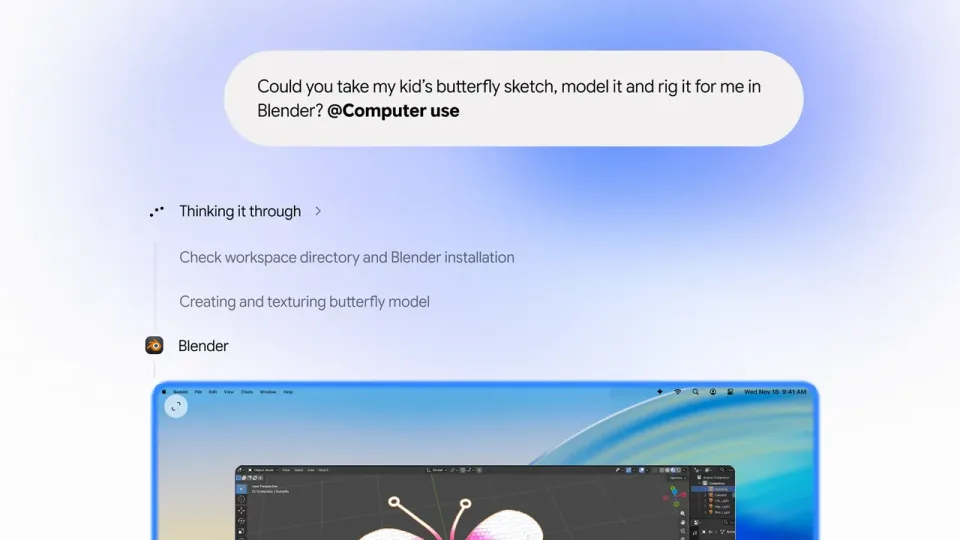
- Hydrogen sits under Google’s two frontier Gemini 4 models, Carbon and Argon, which Google describes as built for deep, long-horizon reasoning. Hydrogen is built for quicker execution on everyday and “agentic” tasks.
- For everyone: Hydrogen is rolling out in the Gemini app and in Google Search. In the Gemini app, paid users can choose it from the model drop-down. Free users get it through automatic model selection when Google decides it is the right model for the prompt.
- In Search, Google calls this its biggest model upgrade yet, now available globally for all users. Google says Hydrogen should do a better job understanding multi-part or messy questions, return more visual and structured answers, and surface a wider set of useful links through an upgraded “query fan-out” technique. It also promises richer responses across supported AI Mode languages.
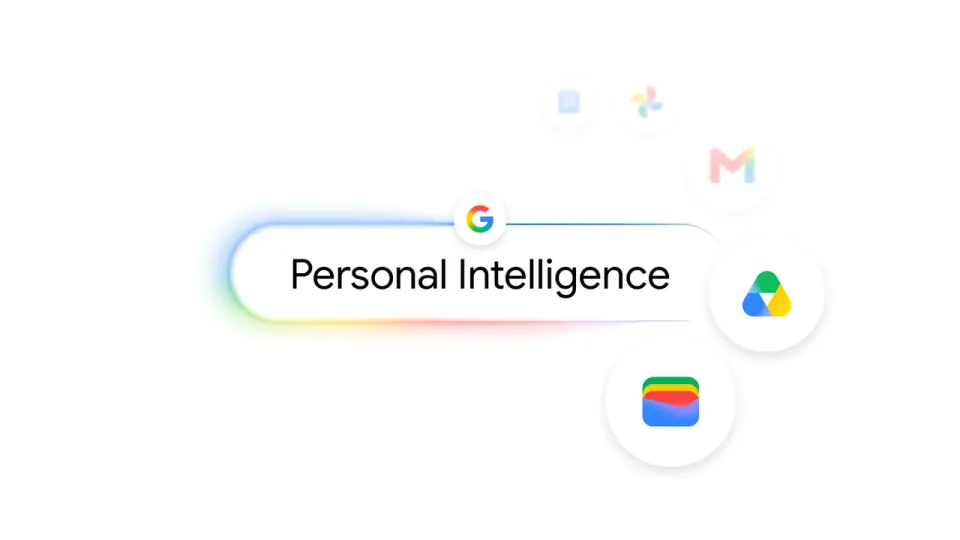
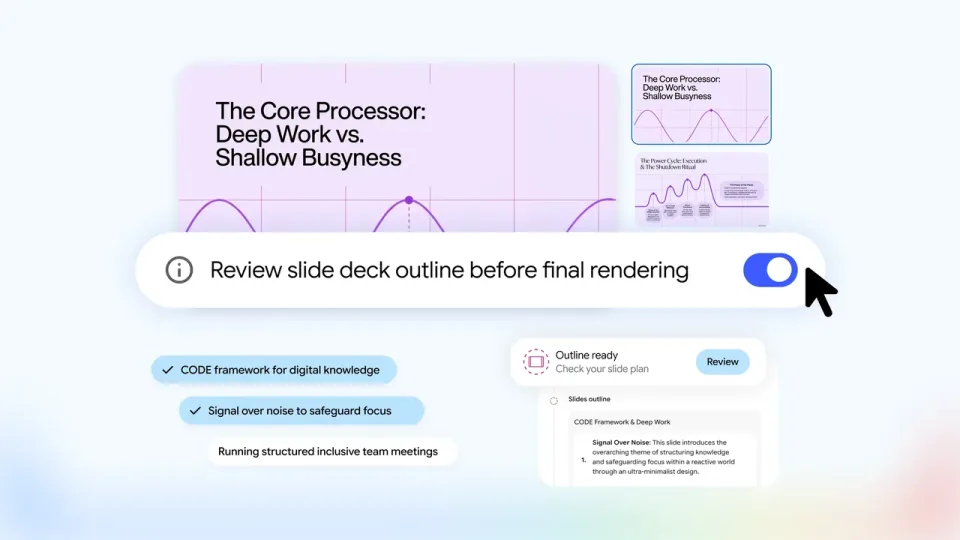
- In the Gemini app, Google says Hydrogen is better at following instructions, calling the right tools, and turning uploads plus connected apps (Google names Gmail, Drive, and connected apps such as Airtable and Dropbox) into finished drafts, tables, and study guides with less back-and-forth.
- Gemini in Google Sheets starts with Google AI Pro and Ultra subscribers. Developers and paying subscribers also get Hydrogen in the Gemini API, Google AI Studio, Android Studio, Gemini for business, and, for Pro and Ultra, Google Antigravity.
- Google published a stack of benchmark claims (including an Artificial Analysis Intelligence Index score that, at Hydrogen’s default high thinking level, it says edges out Argon). Those are vendor results. Treat them as Google’s marketing, not as a guarantee that your next Search query will feel twice as smart.
The same post describes four thinking levels (low, medium, high as the default, and a new xhigh tier) and a 1 million-token context window. That matters more if you use the API or a paid developer surface than if you just open Search.
What this means at home
You do not have to change a setting to get the Search upgrade. Google says Hydrogen is already rolling out there for all users. In the Gemini app, look at the model picker if you have a paid plan. If you are on the free tier, you may simply notice that some prompts are routed to Hydrogen automatically.
The practical test is ordinary, slightly messy questions: a multi-part “what should I pack, and is this museum open Monday” search, a rewrite that has to stay in your tone, or a request that should return a comparison table instead of a wall of text. If the answers feel more complete, or if they point you to pages you would have missed, that is the upgrade Google is advertising.
Keep the usual grain of salt. Hydrogen can still get facts wrong, and Search still works best when you click through to the sites it cites. Google’s own model card and safety writeup are the place to read official limits, not a third-party recap.
How to try it
- Open Google Search and ask a question with more than one part, or a typo-filled question you would have rewritten in the past. See whether the response covers each part and offers useful links.
- In the Gemini app, use the model drop-down if you have one. On a free account, just ask a normal writing or planning question and let auto-selection do the routing.
- If you already pay for Google AI Pro or Ultra, try Gemini in Google Sheets on a spreadsheet you actually use, not a toy file.
- Read Google’s Hydrogen announcement and the Search post for the official availability list before you assume a work or developer feature is included in the free app.
Do this / don’t do that
Do
- Use Hydrogen for everyday writing, planning, and search, then click through to original sources when the answer matters.
- Check the Gemini model picker on a paid plan if you want to choose Hydrogen on purpose.
- Keep Carbon or Argon (where you have them) for the harder, slower problems Google still assigns to those models.
Don’t
- Do not assume every Gemini 4 feature is in the free app. Sheets, Antigravity, and API access follow the plan limits Google published.
- Do not treat vendor benchmark scores as a consumer guarantee.
- Do not paste sensitive medical, legal, or financial documents into Gemini unless you are comfortable with Google’s product terms for that surface.
Bottom line
On November 12, 2026, Google started rolling out Gemini 4 Hydrogen as the everyday Gemini 4 model in Search and the Gemini app, including automatic access for free users when the app selects it. Try it on the messy questions you already ask, and keep a human eye on anything you would act on.
Image: Official key art from Google’s Gemini 4 Hydrogen announcement.