Gemini 4 Neon wins early fans
On November 18, 2026 Google launched Gemini 4 Neon, a model for deeper analysis in the Gemini app for AI Pro and Ultra, and early testers have mostly been warm, with a few caveats.

A new AI model has people talking, and for once the reviews are mostly kind. On November 18, 2026, Google introduced Gemini 4 Neon, and in the days since, testers have been sharing what they built with it.
If you use the Gemini app, this is the new “deeper analysis” option. Here is what Google says it is, what early users say about it, and where the praise comes with a footnote.
What Google launched
From Google’s launch post and 9to5Google’s coverage:
- Neon sits in the middle of the Gemini 4 family. Google says Carbon tackles the hardest, long-horizon projects, Hydrogen handles fast everyday work, and Neon balances depth and efficiency for complex, frequent tasks.
- In the Gemini app, Google says Neon is for Google AI Pro and Ultra subscribers, picked from the model drop-down. 9to5Google reports the picker now reads Auto, Everyday help (Hydrogen), Deeper analysis (Neon), and Code and complex work (Carbon).
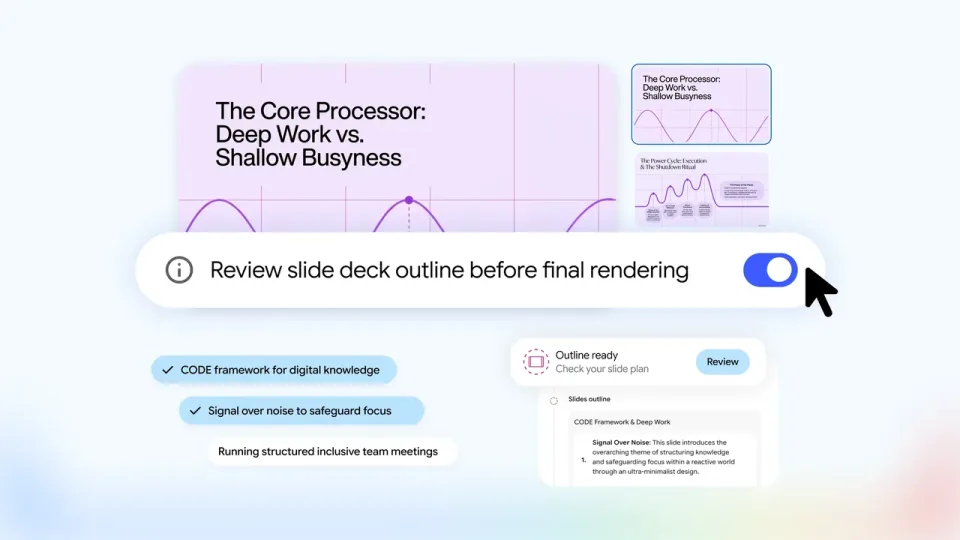
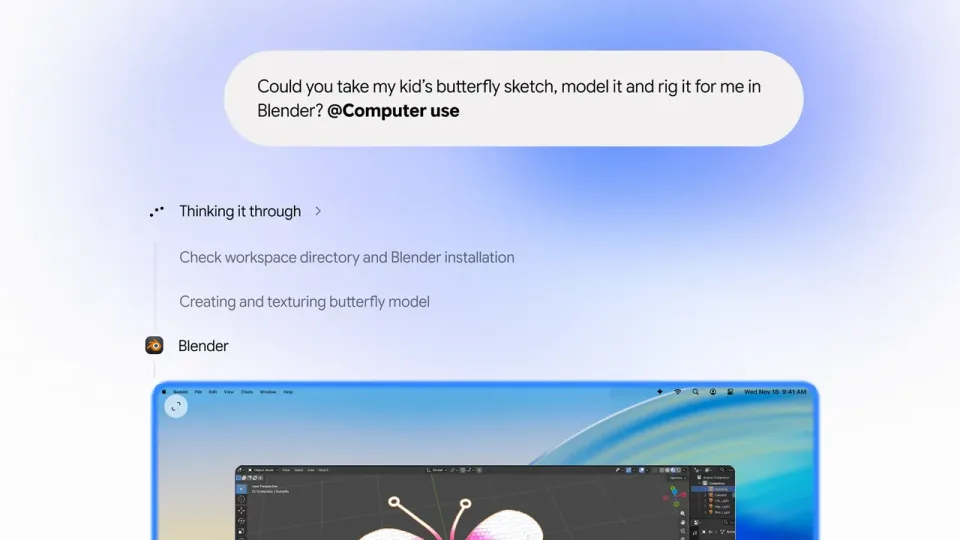
- What it is good at in the app, per Google: clearer writing, more precise reading of spreadsheets, PDFs, and photos, research that pulls in current details from the web, and faster help on multi-step jobs like checking a utility bill or cross-checking receipts for a refund.
- Developers can use it in the Gemini API, Google AI Studio, and Google Antigravity. Google lists the price as $3 per million input tokens and $15 per million output tokens, with a 1 million token context window.
- Google says Neon scores 61 on the Artificial Analysis Intelligence Index at its highest thinking level, which it calls third overall, and that it costs 32% less per task than Carbon at its default setting. Those are Google’s claims about third-party tests, so read them with that in mind.
What early users are saying
The Deep View called Neon Google’s answer to its rivals’ mid-tier models and said Google is “fully back in the frontier model race.” A roundup of early reactions from Enjoy says most of the first reviews were glowing:
- Developer Theo wrote that the model was “so good” and made it the copywriter in his setup.
- Jeremy Howard called Neon “awesome.”
- Tester Chubby spent a day building 17 interactive demos with it, from shooters to 3D worlds, and said it fixed three broken programs.
- Greg Isenberg found it “really good, really fast and about half the price” of what he was used to.
That is a small sample of vocal early adopters, mostly developers, not a survey of everyday users.
The catches
The same roundup is honest about the footnotes, and they are worth knowing:
- It thinks a lot. Artificial Analysis found Neon very verbose compared with other models, so on short tasks it can cost more per job than a model with pricier tokens.
- Some people still prefer Claude for long, open-ended work, including Isenberg, who said he still reaches for it on the hardest problems.
- Early capacity hiccups showed up in one tester’s pre-launch logs.
- The names are confusing. Commentators note that Argon, Hydrogen, Carbon, and Neon take some sorting out.
How to try it
- Open the Gemini app and check the model drop-down. If you have Google AI Pro or Ultra, look for Deeper analysis (Neon).
- Give it a real chore, such as a long PDF to summarize or a few receipts to compare, and see if the writing and reading feel better than your usual model.
- Compare it with Everyday help (Hydrogen) on the same prompt. Use the faster one for quick questions and Neon when the job needs more depth.
- Check anything that matters. Google itself notes models can still make mistakes.
If you are on the free plan, Google’s launch post does not list free access to Neon, so you may not see it yet.
Bottom line
On November 18, 2026, Google launched Gemini 4 Neon, and early testers have mostly liked it, with fair warnings about long thinking and the occasional hiccup. If you pay for Google AI Pro or Ultra, try the “Deeper analysis” option on a task you already know well, and decide for yourself.
Image: Official Gemini 4 Neon header from Google’s launch post.