Stop & Shop, Food Lion, and Giant apps down after Ahold Delhaize cyberattack: what shoppers should do
Grocery giant Ahold Delhaize took systems offline after a cybersecurity incident disclosed October 12, 2026, knocking out online ordering at U.S. chains like Stop & Shop, Food Lion, Giant Food, and Hannaford. What we know and how to protect yourself.

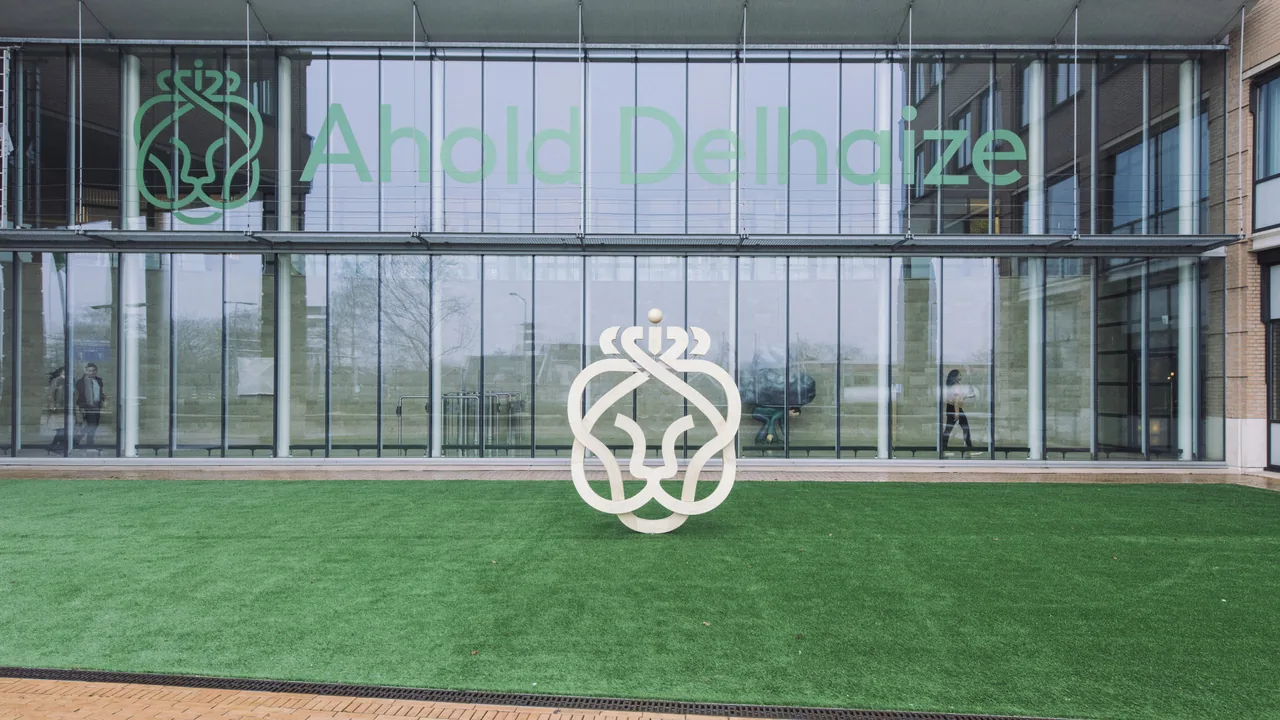
If your grocery app stopped working this week, you are not alone. Ahold Delhaize, the company behind Stop & Shop, Food Lion, Giant Food, Hannaford, and The Giant Company in the U.S. (plus Albert Heijn and Delhaize in Europe), is dealing with a cybersecurity incident that forced it to take systems offline.
The stores are open. The apps, websites, and online orders are where people are feeling it. Here is what the company has actually said, what has been reported, and what you should do as a shopper.
What Ahold Delhaize has confirmed
On October 12, 2026, Ahold Delhaize posted a short statement on its newsroom saying it was experiencing a security issue within its network, that its teams were taking some systems offline to help protect them, and that stores were open and serving customers.
A day later, on October 13, the company posted an update. The key points:
- It has started a controlled re-launch of certain systems.
- It is working with external cybersecurity experts and the appropriate authorities.
- Stores across Europe and the United States remain open.
- The impact differs by brand.
- Although the investigation is ongoing, it has no evidence at this moment that customer or associate data was taken.
The company is not naming an attacker, not saying whether this is ransomware, and not giving a timeline for full recovery.
What has been reported
News coverage fills in the shopper side:
- U.S. websites and apps for Stop & Shop, Food Lion, Giant Food, Hannaford, and The Giant Company went down, according to reporting summarized by Hoodline.
- Stop & Shop told local TV station WJAR that stores, pharmacies, and gas stations were open, and that unfulfilled online orders would be refunded, per that same report.
- In the Netherlands, Albert Heijn suspended online delivery services, and Reuters reported via ESM Magazine that the company has no indication customer data was stolen.
Treat anything beyond the company’s statements as still developing.
What this means for you
The good news: there is no evidence yet that your account details or payment information were taken. The bad news: “no evidence at this moment” is careful wording for an investigation that is still underway. That could change.
The more immediate risk is scams. Big, public outages are perfect bait. Expect texts and emails that look like they come from your grocery store, saying things like:
- “Your order was canceled. Click here for your refund.”
- “Verify your loyalty account to keep your points.”
- “Update your payment method to restore delivery.”
We saw the same pattern after the Double Counter breach last week. The breach itself is one problem. The phishing wave after it reaches far more people.
What to do right now
- Shop in person or call your store. If you need a pickup or delivery, call your local store rather than trusting the app until service is fully back.
- Do not re-place failed orders over and over. Keep your confirmation email and watch your card or bank statement for refunds. Re-ordering on a glitching site is how double charges happen.
- Ignore refund links in texts and emails. If you are owed a refund, check your account by typing the store’s website yourself or using the official app once it works again.
- Watch your statements for a few weeks. Look for charges you do not recognize and report them to your bank right away.
- Use a unique password for your grocery account. If you reused it anywhere else, change it on those other sites now. A password manager makes this painless.
- Turn on two-factor authentication wherever the store or your email provider offers it.
Do this / don’t do that
Do
- Call your local store for orders and pharmacy questions.
- Keep order confirmations until refunds post.
- Check official store websites directly for updates.
Don’t
- Do not click refund or “verify your account” links in unexpected messages.
- Do not give your card number to anyone who calls claiming to be from the store.
- Do not assume your data is safe forever just because there is no evidence of theft yet.
For more on spotting fake payment and refund requests, see our business email compromise red flags guide. The same warning signs apply to personal email.
Bottom line
Ahold Delhaize’s October 12 cybersecurity incident has knocked out online shopping at several major U.S. grocery chains, though stores stay open and the company says it has no evidence so far that customer data was taken. For now, shop in person or call ahead, keep your receipts, and treat every grocery refund message as a scam until you check it yourself.
Image: Ahold Delhaize head office press photo (Ahold Delhaize newsroom).