
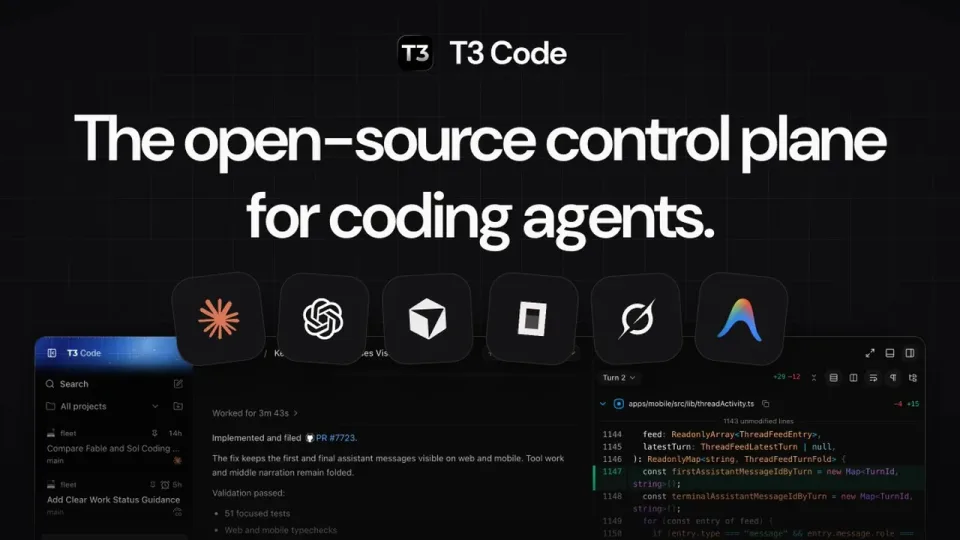
T3 Code: what Theo's open-source coding-agent app actually is
T3 Code is a free, MIT-licensed control surface for coding-agent harnesses you already pay for, not a harness itself. What it is, how it relates to Theo's separate tstack skills, how to install it, and what the official docs and Theo's videos support.
Michael Narehood12 min read

OpenAI ships GPT-6.1 Terra: faster computer use at half the API price
On October 26, 2026 OpenAI released GPT-6.1 Terra in ChatGPT Work, Codex, and the API. What it is, what changed from GPT-5.6 Terra, which plans get it, and what to try at home.
Michael Narehood6 min read
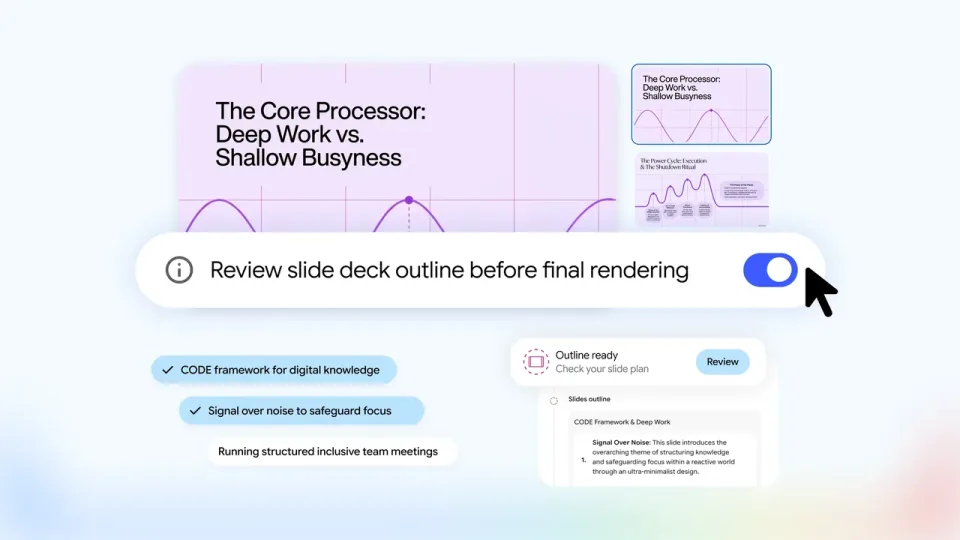
Gemini Notebook co-create: steer slides and video overviews before they render
On October 19, 2026 Google added co-creation controls to Gemini Notebook Slide Decks and Video Overviews, including a Review toggle. How home users try the new flow and what to check before you trust the output.
Michael Narehood5 min read
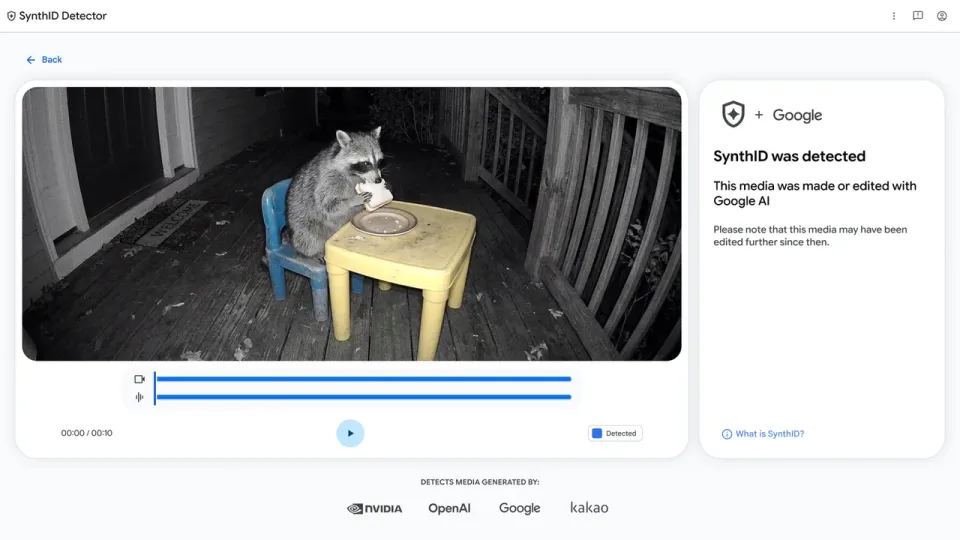
Google opens SynthID Detector to everyone: check AI media at home
On October 7, 2026 Google made SynthID Detector available globally in English at synthid.com, with partner watermark checks for Google, OpenAI, NVIDIA, Kakao, and soon Apple. How home users try it and what a negative result still means.
Michael Narehood5 min read
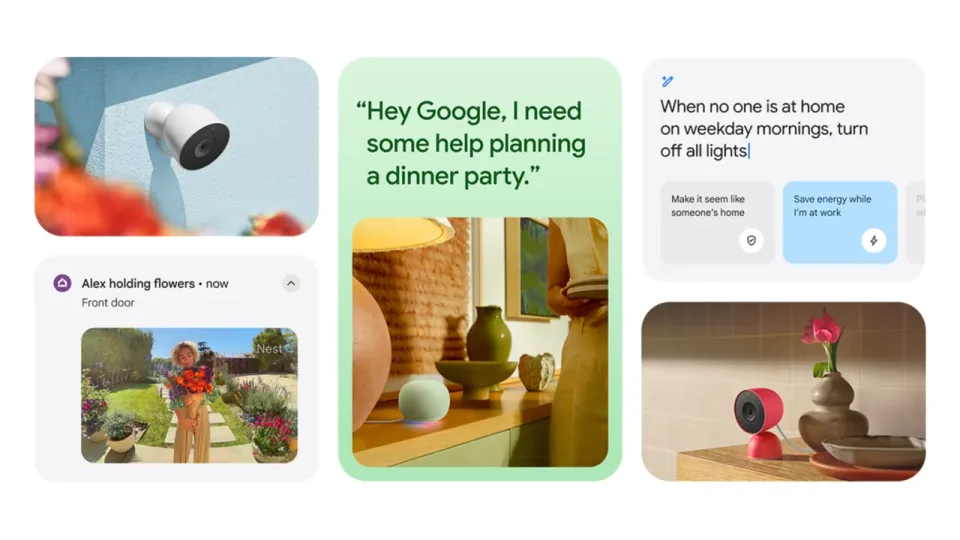
Google Home MCP: third-party AI agents and your Nest
Google opened early-access Home MCP so agents like Claude can see Nest camera history and control permitted devices. Who should bother, who should wait, and a plain-language security checklist.
Michael Narehood6 min read

Grok 4.5: xAI’s coding-first model lands in Cursor and the API
Grok 4.5 launched mid-July 2026 as a jointly trained SpaceXAI and Cursor model aimed at coding, agents, and knowledge work. What shipped, where to get it, and how to use it without buying the hype.
Michael Narehood3 min read

OpenAI GPT-Red and what prompt injection means for your Copilot rollout
OpenAI's internal GPT-Red red-teaming model shows how automated prompt injection testing scales. Practical steps for businesses deploying Copilot, agents, and AI connectors.
Michael Narehood6 min read

Simple AI rules for small teams
Your team is already using AI tools. A one-page set of rules covering approved tools, what data stays out, and who checks the output beats a policy nobody reads.
Michael Narehood4 min read

Use AI chatbots safely at home
AI assistants are handy for recipes, homework help, and drafting emails. A few privacy settings and habits keep your personal details out of places they do not belong.
Michael Narehood4 min read

Anthropic’s Claude Fable 5: Mythos-class AI with guardrails
Claude Fable 5 brings Mythos-class capability to general users, with classifiers that fall back to Opus 4.8 on high-risk topics. What launched, what Mythos 5 is for, and how to think about it for real work.
Michael Narehood4 min read

AI IDEs for ops scripts: useful drafts, dangerous shortcuts
Cursor and similar tools can speed up PowerShell and bash work for MSPs, but only if you review output, protect secrets, and treat suggestions as starting points.
Michael Narehood5 min read

DeepSeek R1 and the open-weight reasoning wave
DeepSeek's R1 models got ops and dev teams paying attention. Here is why, plus sober notes on local vs API use and why client data does not belong in random endpoints.
Michael Narehood5 min read

OpenAI o1 and reasoning models: worth it for your team?
OpenAI's o1 preview changed how some tasks get done. Here is what is different from ChatGPT, where the cost makes sense, and where it is overkill for everyday MSP work.
Michael Narehood5 min read
Search is temporarily unavailable.
